
Resources
Common Issues We See on Japanese Vehicles
A quick guide to symptoms, likely causes, and when to schedule a professional inspection. If your Toyota, Honda, Nissan, Subaru, Mazda, or Lexus is acting up, we’ll pinpoint the issue with factory-level diagnostics.
How to use this page
Start with the symptom—then confirm with diagnostics

Most common concerns
Top issues we diagnose every week
These are some of the most frequent problems we see on Japanese vehicles. If you’re experiencing any of the symptoms below, we can confirm the root cause and provide clear, upfront options.

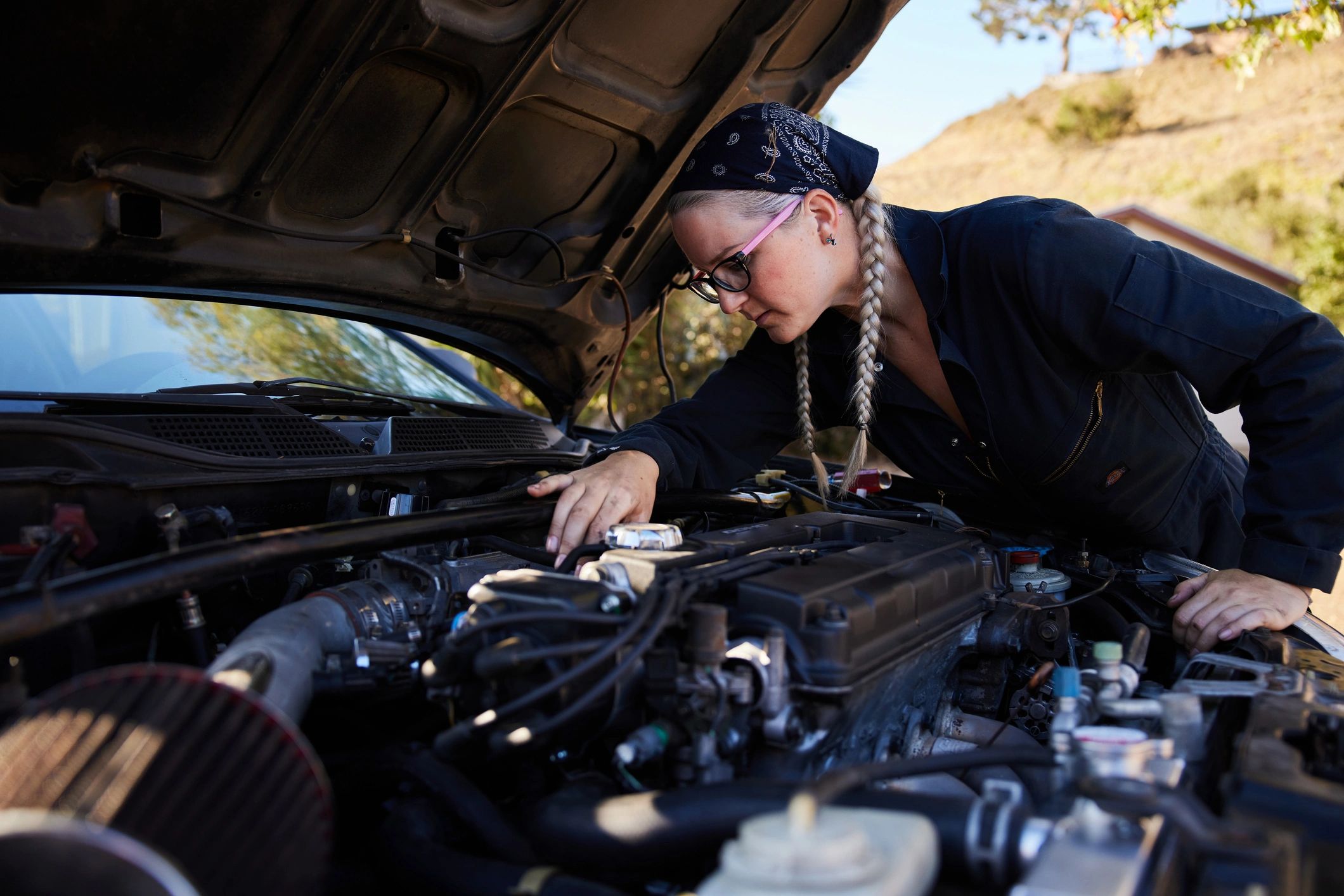
Common questions (and what they usually mean)
Every vehicle is different—these are general guidelines. If you’re unsure, book a diagnostic visit and we’ll verify the cause with testing.
My check engine light is on—can I keep driving?
If the light is flashing, reduce speed and schedule service immediately—this can indicate a misfire that may damage the catalytic converter. If it’s steady, it’s often safe for short trips, but you should still have it scanned soon.
Why does my car shake at idle but smooth out while driving?
Often related to ignition or air/fuel issues (spark plugs/coils, vacuum leaks, dirty throttle body, or sensor faults). We confirm with code scanning, live data, and targeted tests.
I hear a squeal when braking—what is it?
A light squeal can be a wear indicator or glazing; a grinding noise typically means pads are worn through. Either way, it’s best to inspect before rotor damage increases cost.
My steering wheel shakes at highway speeds—brakes or tires?
If it happens mostly while braking, rotors may be warped or pads uneven. If it happens constantly at speed, it’s often tire balance, alignment, or suspension wear. We’ll road-test and measure runout to confirm.
There’s a burning smell after driving—should I worry?
A burning smell can come from oil leaks onto hot components, slipping belts, or overheated brakes. If you see smoke or fluid dripping, stop driving and contact us.
Why is there fluid under my car?
Clear water is usually A/C condensation. Red/brown fluid may be transmission or power steering; dark brown/black can be engine oil. We can identify the fluid and trace the leak source quickly.