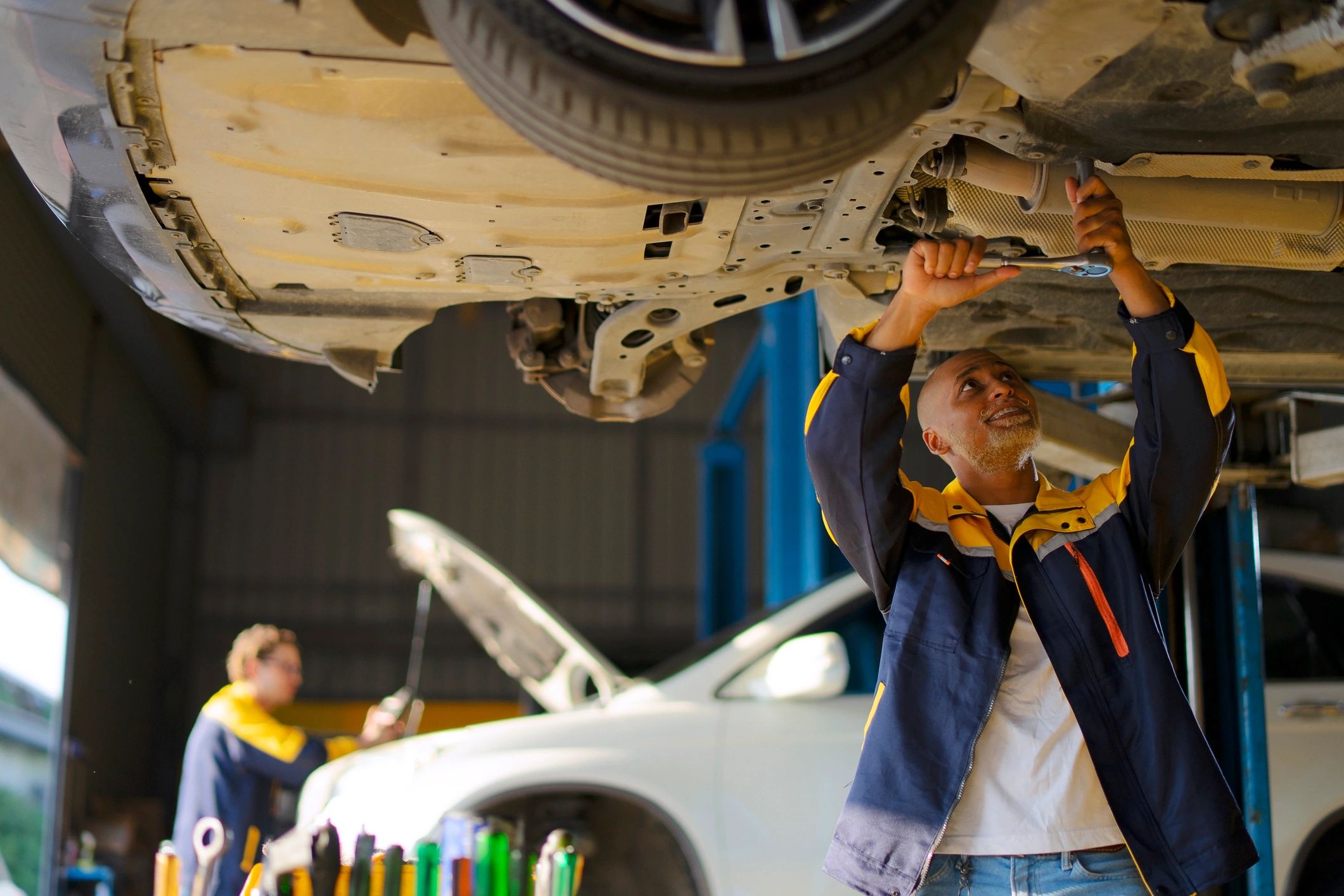
Brake service for Toyota, Honda, Nissan, Subaru, Mazda & Lexus
Brake Repair You Can Trust
From squeaks to pulsation, we diagnose the root cause and repair with OEM-quality parts and precise workmanship—so your Japanese vehicle stops smoothly and safely.
What we do
Complete Brake Service & Repair
We service modern ABS-equipped systems and traditional hydraulic brakes with factory-approved tools and careful measurements. You’ll get clear recommendations and transparent pricing before any work begins.
Brake inspection & safety check
Road test (when safe), visual inspection, pad/shoe measurement, rotor/drum condition, caliper slide checks, and brake fluid assessment.
Brake pad & rotor replacement
Quality pads matched to your vehicle, rotor replacement or machining when appropriate, proper torque procedures, and bedding-in guidance.
Calipers, hoses & hardware
Sticking calipers, seized slide pins, worn hardware, and cracked hoses can cause pulling and uneven wear—replaced with OEM-quality components.
Brake fluid flush & ABS service
Brake fluid absorbs moisture over time. We flush to restore pedal feel and help protect ABS components and internal seals.
Why Nippon Auto Specialists
Precision Work. Clear Answers.
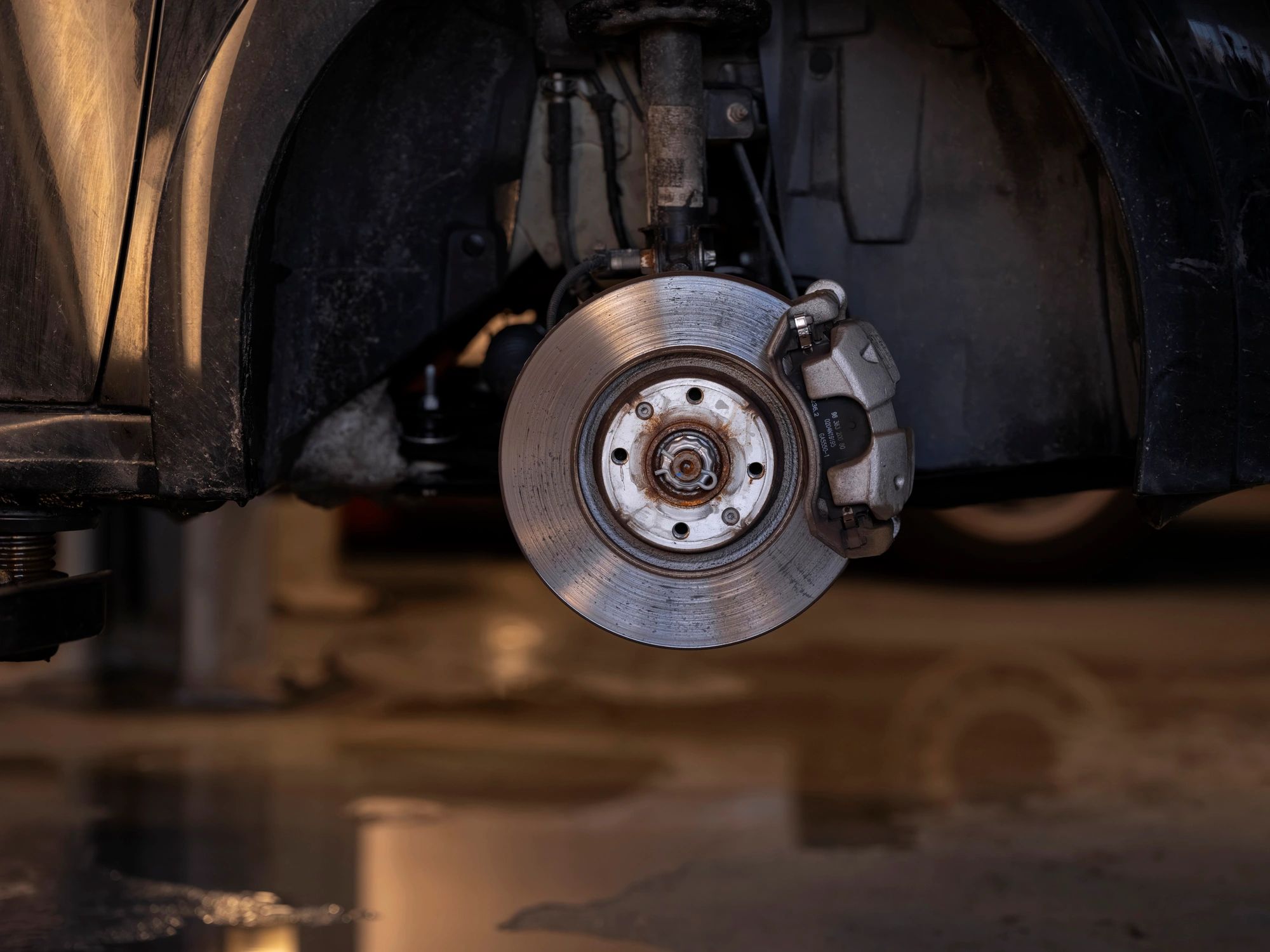
Brake Repair FAQs
Not sure what you’re hearing or feeling? These quick answers can help you decide when to schedule service.
How do I know if I need brake pads?
Common signs include squealing, grinding, a brake warning light, longer stopping distance, or a thin pad measurement during inspection.
Why does my steering wheel shake when braking?
Pulsation or shake often points to rotor thickness variation, uneven pad deposits, or suspension issues. We’ll confirm with measurements and a road test.
Should I replace rotors when I replace pads?
Not always. If rotors are within spec and in good condition, they may be resurfaced or reused. We’ll recommend the best option for safety and longevity.
What causes a car to pull when braking?
A sticking caliper, uneven pad wear, contaminated friction material, or tire/suspension issues can cause pulling. Diagnosis is key before replacing parts.
How often should brake fluid be flushed?
Many Japanese manufacturers recommend every 2–3 years, but driving conditions matter. We’ll test fluid condition and advise based on your vehicle.
Do you use OEM parts?
We use genuine OEM parts when requested and OEM-quality components that meet or exceed factory specifications—always matched to your vehicle and driving needs.